 Save to Pinterest
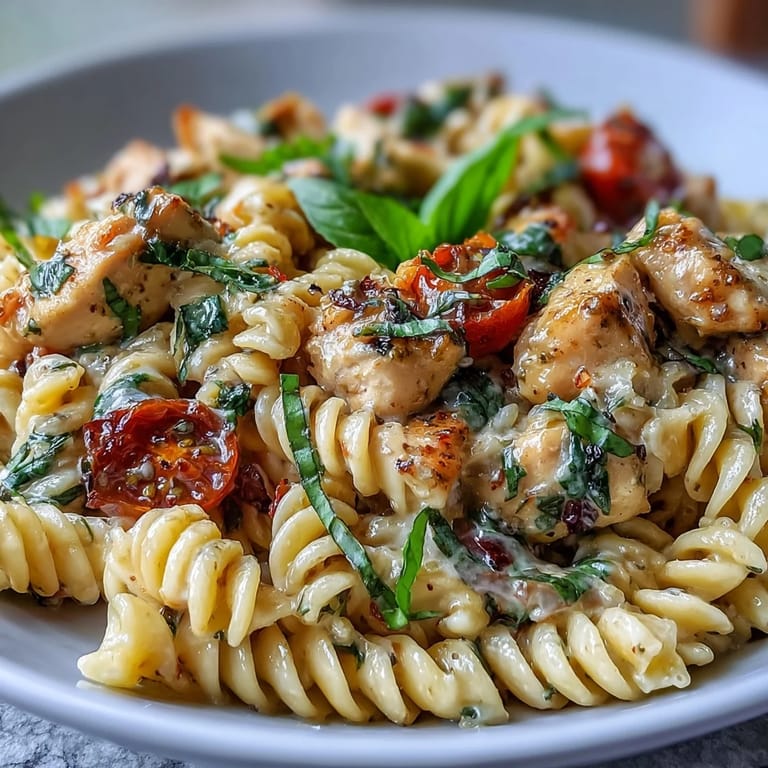
 The sound of sizzling chicken hitting the hot olive oil always makes me pause—it’s the promise of something comforting on a busy weeknight. Lemon basil chicken pasta wasn’t something I planned to master, but one hungry evening and a near-empty refrigerator inspired this one-pan wonder. The lemon's aroma lifted my mood instantly as it mingled with fresh basil, reminding me of open kitchen windows and city breezes. There’s a joy in stirring pasta until creamy, watching it come together with barely any mess. It’s the kind of dinner that somehow feels both effortless and special.
One night, I made this for an impromptu dinner with my neighbor, who poked her head in, drawn by the scent of lemon and Parmesan wafting through the hallway. We ate straight from big bowls, the windows open to let in the sunset, and decided then and there that sometimes the simplest recipes spark the best conversations.
Ingredients
- Boneless, skinless chicken breasts: Sauté until lightly golden for juicy bits that soak up lemony sauce—cut into bite-size pieces for even cooking.
- Baby spinach (optional): Tossed in at the end, it wilts quickly and adds a hint of freshness; arugula or kale also work if you’re improvising.
- Garlic: Minced and cooked just until fragrant to avoid any bitterness.
- Onion: Finely chopped, it gives sweetness and depth without overshadowing brighter flavors.
- Cherry tomatoes: Halved for extra juiciness and little bursts of color.
- Fresh basil leaves: Best folded in right at the end for a vibrant, aromatic finish—save some extra to sprinkle over each bowl.
- Dried penne or fusilli pasta: Ensure you use a pasta shape with grooves to capture the creamy sauce; no need to pre-boil!
- Low-sodium chicken broth: Layers rich flavor into both pasta and sauce as everything cooks together.
- Whole milk or half-and-half: Creaminess without heaviness; don’t be tempted to skip, as it pulls the sauce together.
- Extra virgin olive oil: For sautéing and a hint of fruity depth—use the good stuff if you have it.
- Large lemon (zest and juice): Zest before juicing and add both for brightness; fresh is key here.
- Grated Parmesan cheese: Melts into the sauce for that classic savory note; extra at the table never hurts.
- Salt: Start with a teaspoon but taste as you go (the broth and cheese both add salt, too).
- Black pepper: Adds gentle warmth—grind fresh for the best flavor.
- Red pepper flakes (optional): Just a pinch brings an undercurrent of heat without overpowering the other flavors.
Tired of Takeout? 🥡
Get 10 meals you can make faster than delivery arrives. Seriously.
One email. No spam. Unsubscribe anytime.
Instructions
- Sear the Chicken:
- Drizzle olive oil into your largest skillet and warm over medium-high until it shimmers. Scatter in the chicken, season with salt and pepper, and cook, stirring now and then, until you see golden edges—about four minutes—then move them to a waiting plate.
- Sweat the Aromatics:
- Lower the heat and tumble in the onion; let it soften for a few minutes until it smells sweet. Add garlic and cherry tomatoes—give everything a stir and breathe in as the tomatoes start to release their juices.
- Add Pasta and Liquids:
- Pour in the dried pasta, broth, and milk, scraping any stuck bits to infuse the sauce. Mix well so the pasta sits just barely submerged and nothing sticks to the bottom.
- Simmer Together:
- Return the seared chicken and any wick juices to the pan. Allow the mixture to bubble gently, uncovered, stirring every few minutes, until the pasta is just tender and the sauce has thickened—this takes about 12 to 14 minutes.
- Finish with Flavor:
- Stir in lemon zest, juice, spinach, and Parmesan; the spinach will wilt almost instantly and the sauce will go glossy and creamy. Off the heat, fold in fresh basil and check for seasoning—add a pinch more salt or pepper if needed.
- Serve and Garnish:
- Spoon into bowls right away, topped with extra basil and as much Parmesan as you like. Enjoy while still steaming, catching those fragrant herbal notes with every bite.
 Save to Pinterest
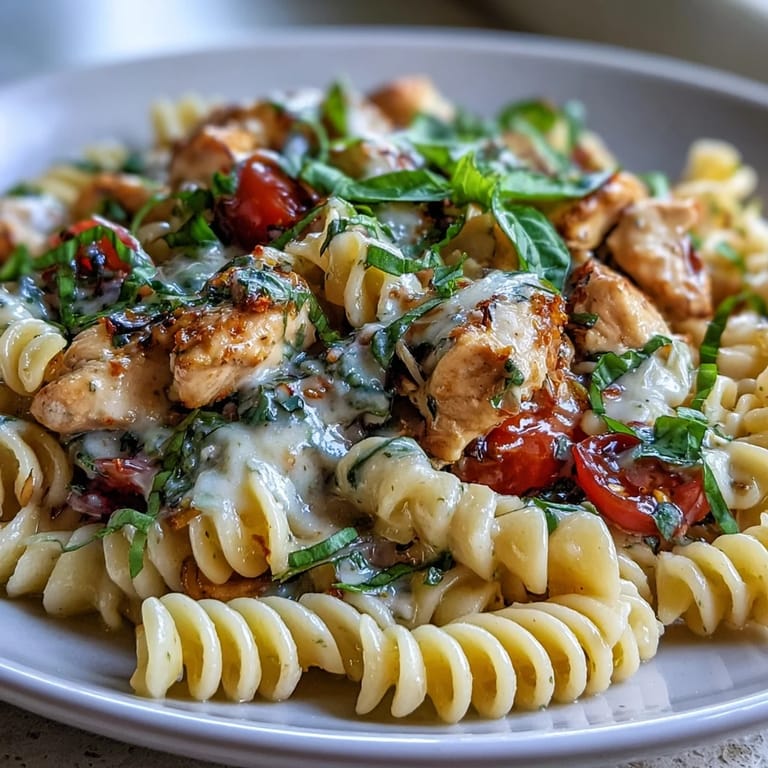
 This dish turned from weeknight rescue to special occasion after my partner swirled the last of the sauce with bread and declared it better than most restaurant pastas we’d tried. Sometimes it’s the sight of empty bowls and quiet satisfaction at the table that marks a meal as truly memorable.
Getting the Sauce Just Right
Letting the sauce thicken with the pan uncovered creates that luscious, glossy texture that clings to each noodle. Stir every few minutes to make sure nothing sticks, and taste test a pasta piece before you turn off the heat—overcooked, it’ll lose its pleasant bite.
Swaps and Variations That Work
If you’re out of spinach, don’t hesitate to throw in chopped kale, arugula, or even some frozen peas at the end. For a more decadent version, I’ve sometimes stirred in a glug of cream or swapped the chicken for shrimp when I found some in the freezer.
Making It Your Own Every Time
The true charm of this recipe is its flexibility, whether you want a little more lemon, need to sneak in extra veggies, or finish it with an extra handful of cheese. Let your taste be the guide and adjust as you go.
- Don’t skip zesting the lemon before you juice—it’s surprisingly easy to forget.
- If your sauce gets too thick, splash in a bit more broth or milk at the end.
- Keep an eye on the pasta; it cooks faster nestled in the bubbling sauce than boiling in water alone.
 Save to Pinterest
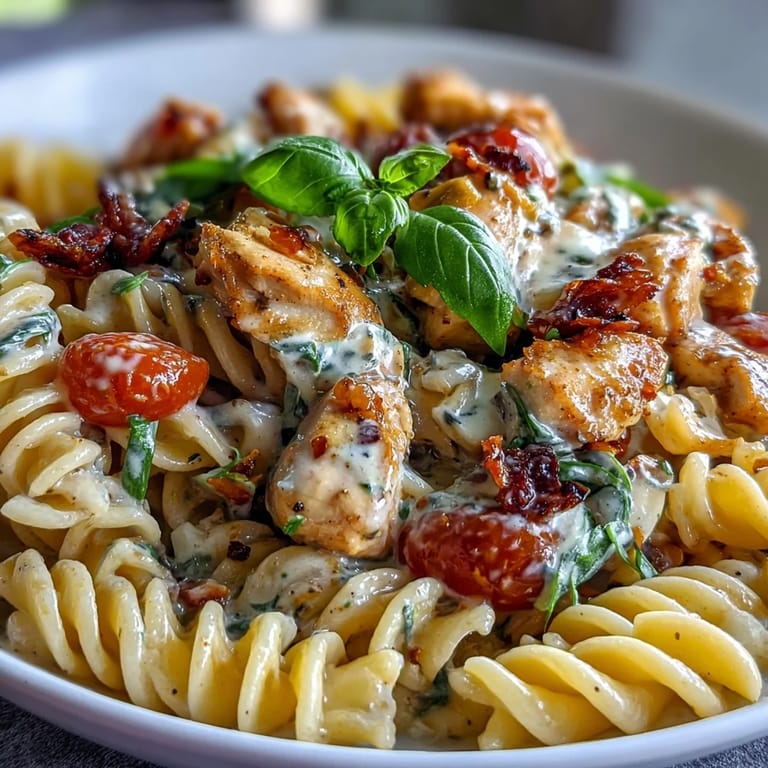
 Whether you’re after a quick meal or something that feels a little indulgent, this lemon basil chicken pasta is a one-pan rescue that never disappoints. Dig in while it’s still hot—and let yourself savor how easy great dinners can be.
Common Recipe Questions
- → Can I use different pasta types?
Yes, penne or fusilli works best to hold the sauce, but rigatoni or farfalle can be good alternatives.
- → How do I make it vegetarian?
Omit the chicken and replace chicken broth with vegetable broth for a meat-free version.
- → What can I substitute for baby spinach?
Arugula or kale can be used for a similar leafy green texture and slight peppery taste.
- → Is the lemon juice added fresh or cooked?
Lemon juice and zest are stirred in near the end to preserve their bright, fresh flavor.
- → Can I prepare this dish ahead of time?
Best enjoyed fresh for optimal texture and creaminess, but can be gently reheated with a splash of milk.