 Save to Pinterest
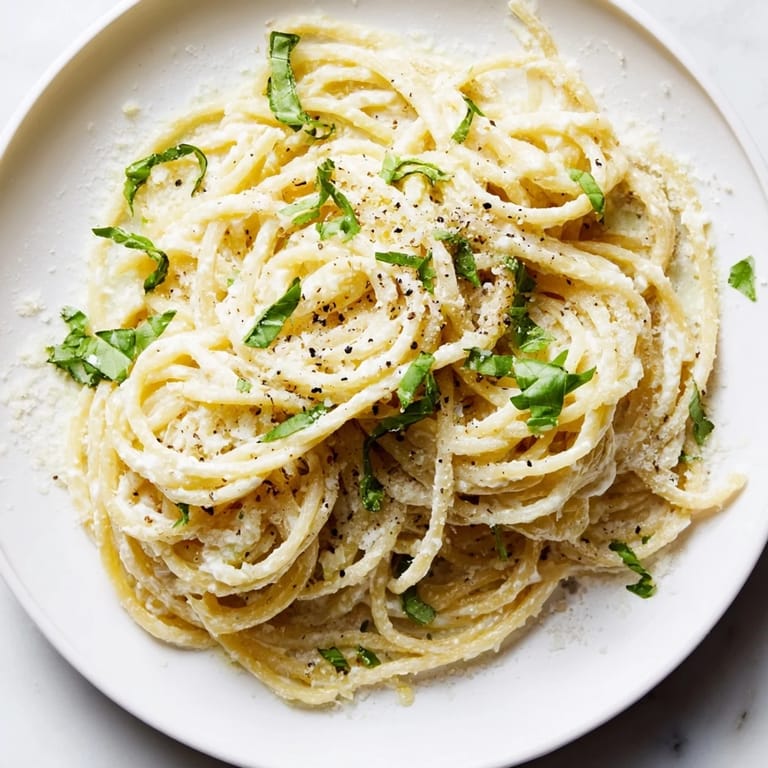
 There's a moment on spring evenings when the kitchen fills with the sharp brightness of lemon, and suddenly dinner doesn't feel like an obligation anymore. I discovered this pasta by accident, really—I had ricotta that needed using and a lemon I'd been saving, and something about their pairing felt inevitable once I tasted them together. The sauce comes together in the time it takes water to boil, and somehow tastes like you've been stirring it for hours. It's become my go-to when I want to feel like I'm cooking something special without the stress.
I made this for my neighbor last summer when she mentioned feeling too tired to cook but didn't want takeout. She sat at my counter while I worked, and the smell of pasta water mixing with lemon zest made her lean forward and actually smile for the first time that week. We ate it straight from the pot standing up at the kitchen island, and she asked for the recipe before she even finished her first bite.
Ingredients
- Spaghetti, 350g: Choose a bronze-cut or textured pasta if you can—it holds onto the creamy sauce better than the super-smooth stuff, and you'll notice the difference.
- Ricotta cheese, 250g, whole-milk: This is where the sauce gets its silky texture, so don't skip the whole-milk version or use the low-fat kind if you want the real experience.
- Lemon, 1 large: One lemon gives the right amount of brightness without making it puckering—but taste the sauce and add more juice if your lemons are less juicy than mine.
- Parmesan cheese, 40g, freshly grated: The salty umami note that makes you want another bite; pre-grated stuff gets waxy and won't melt the same way.
- Extra-virgin olive oil, 2 tbsp: The quality actually matters here since there's nothing else to hide behind—use something you'd taste on bread.
- Garlic clove, 1 small, finely grated: Grating it instead of mincing releases more juice, which distributes the garlic flavor more evenly and avoids those sharp bites.
- Kosher salt and black pepper: Taste as you go because lemon and Parmesan are already salty, and you don't want to oversalt.
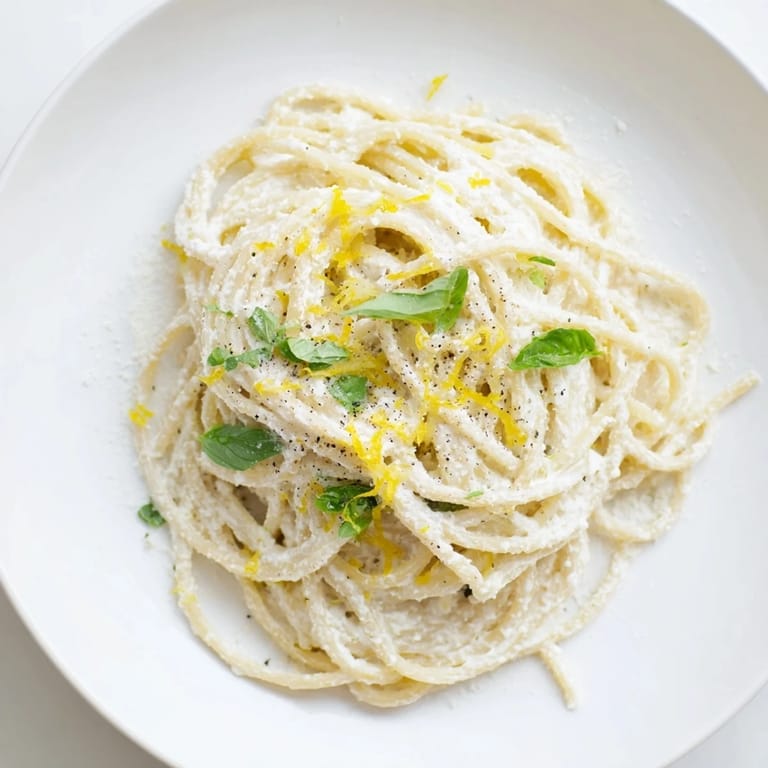
- Fresh basil or parsley and extra lemon zest: These aren't optional finishing touches—they're what takes this from nice to memorable.
Tired of Takeout? 🥡
Get 10 meals you can make faster than delivery arrives. Seriously.
One email. No spam. Unsubscribe anytime.
Instructions
- Get Your Water Ready:
- Fill a large pot more than three-quarters full with cold water and add salt generously—it should taste almost like the sea. Bring it to a rolling boil where you can't stop the bubbles with a spoon.
- Cook the Pasta:
- Drop the spaghetti in and stir right away so nothing sticks to itself. Cook until it's tender but still has the slightest resistance when you bite it—that's al dente, and it makes all the difference.
- Make the Sauce While You Wait:
- In a large bowl, combine the ricotta, lemon zest, lemon juice, Parmesan, olive oil, grated garlic, salt, and pepper. Whisk it together until it's completely smooth and creamy, about a minute of steady whisking.
- Bring It All Together:
- Drain the pasta but save that starchy water in a measuring cup—it's liquid gold. Add the hot, drained pasta straight to the sauce and toss constantly, adding the pasta water one tablespoon at a time until the sauce coats every strand beautifully and looks glossy, not stiff.
- Finish and Serve:
- Divide into bowls immediately while everything is still hot. Top each bowl with extra Parmesan, fresh herbs, a tiny shower of lemon zest, and one more grind of black pepper.
 Save to Pinterest
 I'll never forget my mom tasting this for the first time and saying, 'This tastes like someone who knows what they're doing made it,' which was funny because she was watching me the entire time. That's when I realized this recipe works because it respects simple ingredients and doesn't try to be anything it's not.
Why Whole-Milk Ricotta Changes Everything
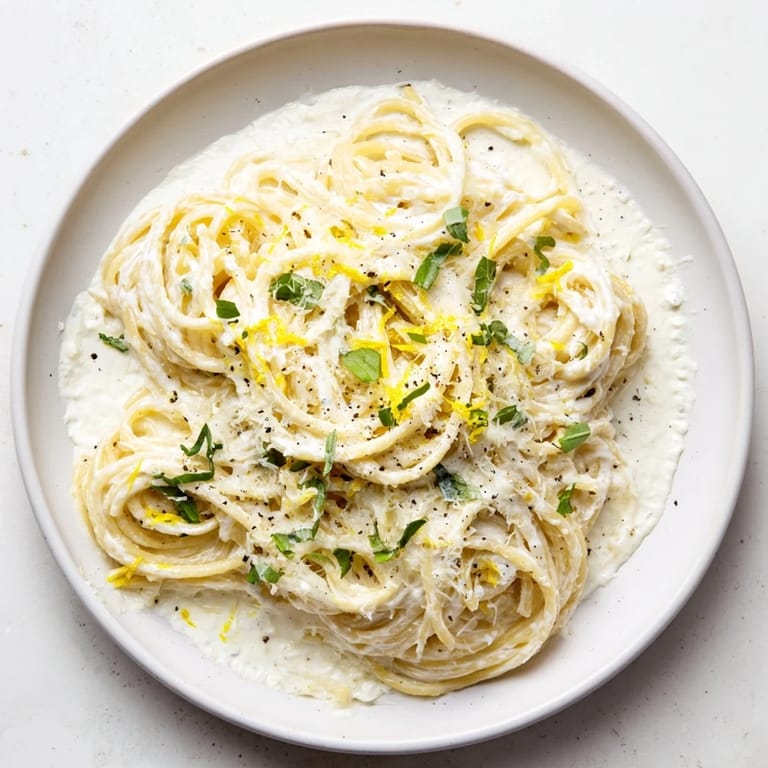
The difference between whole-milk and low-fat ricotta is the difference between a sauce that clings and one that separates. I learned this the hard way when I tried to be health-conscious and grabbed the light version—the sauce broke slightly and became thin and watery instead of luxurious. Now I always buy the whole-milk kind, and I don't apologize about it because three-quarters of a cup of ricotta divided among four servings isn't excessive, and the texture is worth every calorie.
The Lemon-to-Richness Balance
Lemon and cream are natural partners, but finding the right ratio took some experimenting on my part. Too little lemon and the dish tastes flat and one-note; too much and your mouth puckers and the Parmesan gets lost. I've learned that the zest contributes more subtle lemon flavor than the juice does, so I don't skimp on either—the zest goes in the sauce, and you get extra zest as garnish where it's bright and visible. This way, you get lemon in multiple ways that build on each other.
Variations That Work
The beauty of this sauce is that it welcomes gentle additions without losing its identity. A handful of fresh peas stirred in at the end adds sweetness and color, or sautéed asparagus if spring feels in the air. I've added mascarpone for extra richness on nights when I wanted something almost decadent, and a small handful of fresh spinach that wilts right into the heat of the pasta. The core recipe stays the same, but these small changes keep it from feeling repetitive when you make it multiple times a month.
- Stir in peas or asparagus during the final toss, or wilt spinach into the hot pasta water before draining.
- Swap up half the ricotta with mascarpone if you want the sauce even richer and more indulgent.
- A small pinch of red pepper flakes in the bowl adds a gentle heat that doesn't fight the lemon.
 Save to Pinterest
 This pasta has become my kitchen anchor for when I want to feel like I'm taking care of someone, including myself. There's something about ten minutes of work producing something this good that reminds me why I love cooking.