 Save to Pinterest
 There's something about late spring that makes me crave pasta primavera—that moment when the farmers market suddenly explodes with color and you realize winter's grayness is finally behind you. I discovered this dish not from a cookbook but from a small trattoria tucked into a narrow Roman street, where the owner's daughter casually assembled it while chatting with customers, making it look almost too simple to be memorable. What struck me wasn't just how good it tasted, but how alive it felt, like the vegetables were still singing from the garden. Years later, when I recreated it in my own kitchen, I understood the magic: it's not about complicated technique, it's about letting fresh ingredients speak for themselves.
I made this for a friend who'd been stuck eating takeout all week during a work deadline, and watching their face when they tasted it—that genuine exhale of relief—reminded me why I cook. The kitchen smelled like garlic and roasted summer, and even though it was just pasta, it felt like a small act of kindness on a plate.
Ingredients
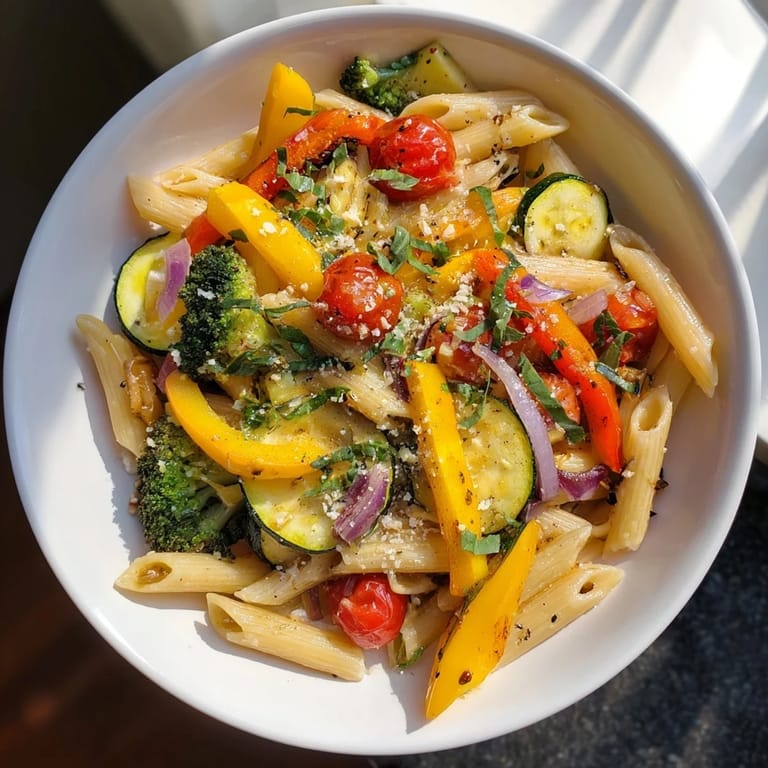
- Penne or fusilli pasta (340 g): The ridges and curls catch the oil and garlic, so pick one or the other based on what you love—I prefer fusilli because it feels more playful.
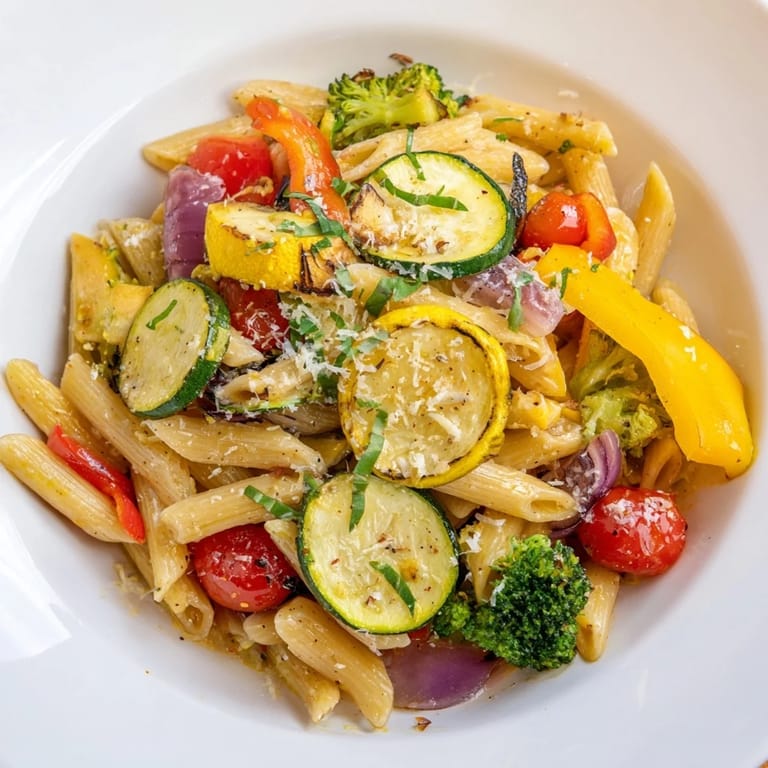
- Zucchini and yellow squash: Slice them thick enough to hold their shape, thin enough to get soft edges when roasted.
- Red and yellow bell peppers: These two together give you sweetness and mild bite—use one of each for balance.
- Red onion: It gets soft and almost caramelized in the oven, which is nothing like raw red onion.
- Cherry tomatoes (150 g): Halving them lets them collapse slightly while roasting, creating tiny pools of tangy juice that cling to the pasta.
- Broccoli florets (120 g): Add them if you want heartiness and texture—they get crispy at the edges, which is the best part.
- Extra virgin olive oil (3 tbsp divided): Use your good stuff here because there's nowhere to hide; 2 tbsp goes on the vegetables, 1 tbsp goes in the skillet with the garlic.
- Garlic (3 cloves minced): Don't skip the mincing—it distributes evenly and blooms in that hot oil in a way that whole or sliced garlic won't.
- Italian herbs (1 tsp): Dried herbs hold up to roasting better than fresh; use a blend or mix your own oregano, basil, and thyme.
- Salt and pepper: Half a teaspoon salt on the vegetables, quarter teaspoon pepper—taste as you go and adjust at the end.
- Parmesan cheese (50 g freshly grated): Please grate it yourself; the pre-shredded kind has cellulose that doesn't melt the same way.
- Fresh basil or parsley (2 tbsp): Basil if you want Italian restaurant vibes, parsley if you're being practical about what's in your fridge.
Tired of Takeout? 🥡
Get 10 meals you can make faster than delivery arrives. Seriously.
One email. No spam. Unsubscribe anytime.
Instructions
- Heat your oven and prep the pan:
- Set it to 220°C and line a baking sheet with parchment paper—this small step means nothing sticks and cleanup is three seconds.
- Arrange and dress the vegetables:
- Spread your vegetables in a single layer, drizzle with 2 tablespoons oil, sprinkle with herbs, salt, and pepper, then toss it all together with your hands until everything glistens. This is where seasoning actually happens, not at the end.
- Roast until the edges know what they're doing:
- Eighteen to twenty minutes, stirring halfway through—you want some browning and caramelization, not just soft vegetables. The kitchen will smell incredible.
- Get your pasta water boiling:
- While the vegetables roast, bring salted water to a rolling boil and cook your pasta to al dente—usually a minute or two before the package says, because it will cook a tiny bit more in the skillet. Reserve half a cup of that starchy water before you drain.
- Wake up the garlic:
- Heat the remaining tablespoon of oil in a large skillet over medium heat, add your minced garlic, and let it sizzle for about thirty seconds until it's fragrant but not brown—brown garlic tastes bitter, and we don't want that.
- Bring it all together:
- Add the roasted vegetables and drained pasta to the skillet with the garlic. Toss gently, adding a splash of that reserved pasta water to loosen everything into a silky toss—you're aiming for a light coating, not a sauce, but that starchy water helps it all cling together beautifully.
- Finish and serve:
- Remove from heat, stir in half the Parmesan and your fresh herbs, taste, and adjust salt or pepper if needed. Plate immediately, top with remaining Parmesan and a few herb leaves, squeeze lemon over it if you're feeling it.
 Save to Pinterest
 There was a Sunday last summer when I made this for six people I barely knew—friends of friends invited to a last-minute dinner—and by the end of the meal, we were all leaning back in our chairs talking about where vegetables come from and how simple food often tastes better than complicated food. That's when I realized pasta primavera isn't really about the recipe; it's about the moment you share it.
The Magic of Seasonal Vegetables
The reason this dish works so well is that it doesn't fight against what's in season—it celebrates it. In spring, reach for asparagus and snap peas and young garlic scapes. In summer, pile on zucchini and tomatoes and basil like you're building a garden on a plate. In fall, try mushrooms and thinner green beans and a whisper of thyme. Winter is trickier, but roasted cauliflower and Brussels sprouts work beautifully if you embrace the earthiness instead of chasing the brightness of other seasons. The dish tastes different every time, which is exactly the point.
Texture is Everything
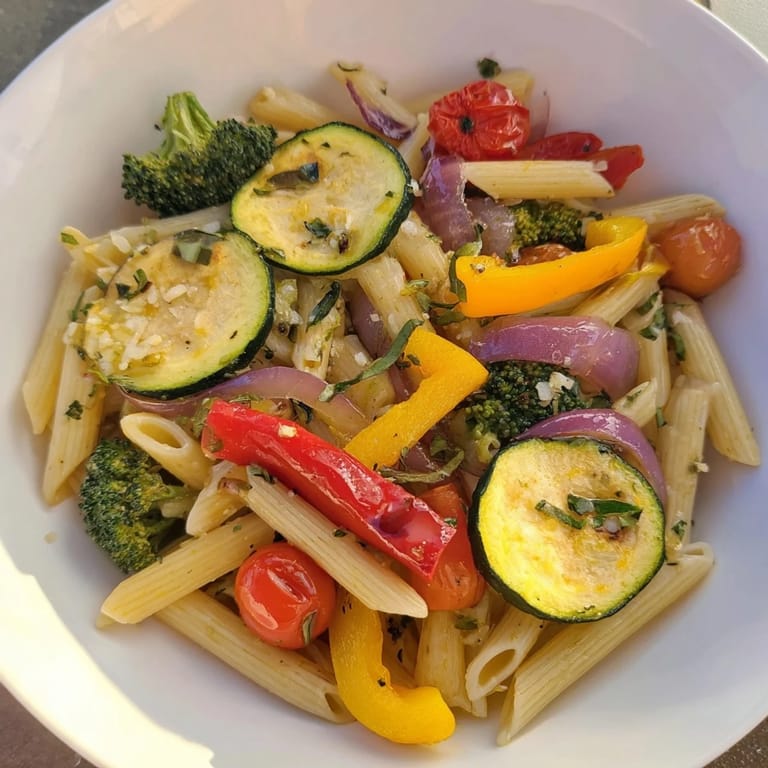
I used to roast my vegetables until they were completely soft, and the dish felt one-note and mushy. Now I pull them out when they're tender but still have a slight firmness, when the edges have caught some color but the centers are still yielding. The contrast between the slightly crispy broccoli florets and the soft squash, between the caramelized onion and the burst of juice from a halved tomato—that's what makes your mouth want another bite. It's the same reason texture matters in everything you cook: it keeps your palate interested.
Building Flavor Without Heaviness
One night I watched a chef make a similar pasta and realized she treated the oil like it was a flavor ingredient, not just something to prevent sticking. She chose a grassy, peppery olive oil and let it be a presence in the dish, not a background player. That single observation changed how I approach finishing dishes, and now I taste my olive oil before I use it—if it's delicate, I might use a bit more; if it's bold, I let it do the work. The herbs matter too; dried Italian herbs in the roasting phase build deep flavor, while the fresh herbs scattered on at the end provide brightness that dried herbs can never match. It's the interplay of these elements that makes the dish feel complete without feeling heavy.
- Don't be afraid to use your good olive oil—this is one of the places where quality actually shows.
- Fresh herbs at the end matter as much as dried herbs during roasting; they're not interchangeable.
- Taste before you plate, and taste again after it sits for thirty seconds; flavors settle and reveal themselves in that brief pause.
 Save to Pinterest
 This dish lives in that sweet spot where it's easy enough for a weeknight but impressive enough for when someone you care about is sitting at your table. That's the best kind of recipe to have.
Common Recipe Questions
- → Can I use other types of pasta for this dish?
Yes, penne or fusilli work best, but you can substitute with any pasta shape that holds sauce well, like rigatoni or farfalle.
- → How do I ensure the vegetables roast evenly?
Slice vegetables evenly and spread them in a single layer on the baking sheet. Toss halfway through roasting for uniform cooking.
- → Can I prepare this dish vegan?
Omit the Parmesan cheese or use a plant-based alternative to make it vegan-friendly without compromising flavor.
- → What is the purpose of reserving pasta cooking water?
The reserved water helps loosen the sauce when tossing pasta and vegetables, creating a smoother texture and better coating.
- → Are there good wine pairings for this pasta?
Light white wines like Pinot Grigio or Sauvignon Blanc complement the fresh and roasted vegetable flavors beautifully.